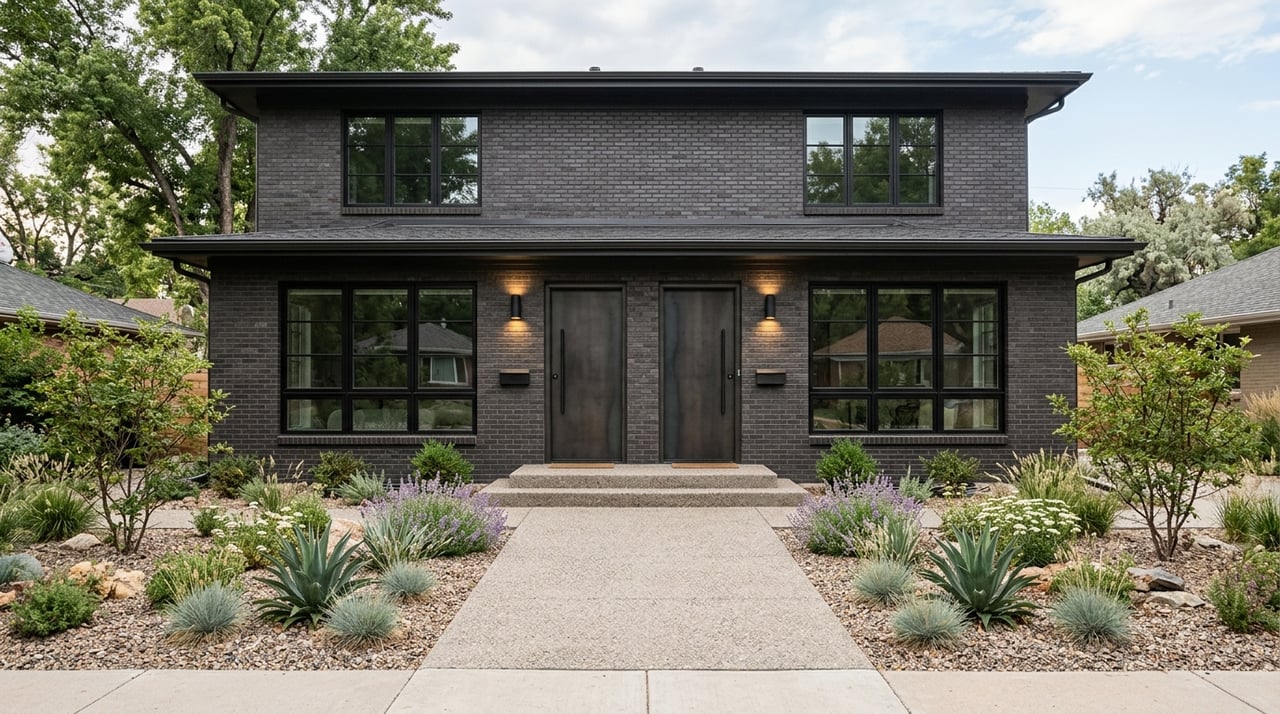
Thinking about buying a duplex, triplex, or a home with income potential in Wheat Ridge? You are not alone. This west-Denver market offers a rare mix of relatively limited small multifamily inventory, steady renter demand, and city policies that support a wider range of housing types. If you want to understand where the opportunities are, what local rules matter, and how to evaluate a house hack or small multifamily deal with more confidence, you are in the right place. Let’s dive in.
Why Wheat Ridge stands out
Wheat Ridge is a compact city in Jefferson County with about 32,070 residents across just 9.3 square miles. That smaller footprint matters because it can create a tighter housing market, especially for buyers looking for niche property types like duplexes, triplexes, and fourplexes.
At the same time, Wheat Ridge is not a one-note housing market. City planning documents support a diversity of housing types, with higher-density development focused near Wadsworth, Clear Creek Crossing, and the Wheat Ridge Ward commuter rail station. That policy backdrop can make Wheat Ridge especially interesting if you are looking for infill potential, long-term hold opportunities, or owner-occupied investing strategies.
What small multifamily inventory looks like
If you have searched Wheat Ridge lately, you have probably noticed that inventory is not huge. Realtor.com currently shows 13 multifamily homes for sale, while Zillow shows 11 duplex and triplex results. That is not a massive pool, but it is enough to confirm that a real small multifamily market exists here.
Pricing also shows meaningful variety. Active listings range from about $539,000 to more than $1.5 million, which suggests you may find anything from a lower-basis value-add property to a more updated or stabilized asset. On the broader market, Realtor.com shows a median listing price around $648,000, median days on market of 35, and 168 active listings.
Compared with nearby west-Denver suburbs, Wheat Ridge sits in the middle of the pricing range. Current listing data shows Lakewood below Wheat Ridge, Arvada in a similar range, and Golden above it. For many buyers, that middle positioning is part of the appeal.
Why demand supports investment here
A small multifamily market only works if people want to live there. Wheat Ridge has an established rental base, with Point2Homes estimating that 45.6% of housing is renter-occupied and 54.4% is owner-occupied. That balance can be attractive because it supports both rental demand and resale demand.
Rental figures vary by source, but they point in the same direction. Point2Homes reports median gross rent of $1,579 per month, Zillow shows an average rent of $1,800, and Realtor.com also places median rent around $1,800. The exact number matters less than the pattern: Wheat Ridge has a real rental market, and it is large enough to matter when you analyze income-producing property.
Local demographics also help explain the demand profile. Census Reporter shows a median household income of $90,564, per capita income of $60,248, high rates of educational attainment, and a median age of 41.9. In practical terms, that points to a market that can support a mix of renters, owner-occupants, and buyers looking for access, convenience, and updated housing.
Transit access adds to the appeal
Transportation is part of the Wheat Ridge story. The Wheat Ridge Ward Station is the end-of-line station for RTD’s G Line, which connects to Union Station in downtown Denver. The city’s station-area planning ties transit-oriented development to a mix of housing options, jobs, and more efficient land use.
For an investor or house hacker, that matters because access can help support demand over time. Properties near transit and growth corridors often get more attention from both renters and future buyers. In Wheat Ridge, the city has already signaled support for housing diversity around the station area, which is worth watching if you are planning for a longer hold.
How to think about house hacking
House hacking usually works best when you can live in one portion of a property and offset your housing costs with rental income from another. In Wheat Ridge, that could mean buying a duplex, a small multifamily property, or a single-family home that supports an accessory dwelling unit strategy.
The important local nuance is that ADUs are allowed in all residential, agricultural, planned-development, and mixed-use neighborhood zones as an accessory use to a single-unit home. They are not allowed as an expansion strategy on duplex or multi-unit properties. So if your plan is to buy a duplex and then add an ADU for another income stream, that is not the local path.
For the right buyer, though, a single-family home with ADU potential can still be a smart house-hack option. The city says new ADUs cannot be sold separately from the primary home, generally do not require additional parking, and may be used as partial-home short-term rentals if the owner lives onsite. That makes the single-family-plus-ADU model a distinct strategy from traditional small multifamily investing.
Where value-add potential shows up
Wheat Ridge has older housing stock, and that can create opportunity if you buy carefully. Point2Homes reports a median construction year of 1965, with many homes built in the 1950s, 1960s, and 1970s. The city also notes that nearly 80% of single-family units were built between 1940 and 1979.
That age profile means many properties may need more than cosmetic updates. In this market, value-add often comes from unit turns, layout improvements, mechanical updates, roofing, windows, siding, exterior work, and curb appeal. If you are underwriting a deal, it is smart to assume that older buildings may need a more thorough review of systems and deferred maintenance.
Permits and timelines matter in Wheat Ridge
Before you budget a renovation, make sure you understand the local permit process. Wheat Ridge states that permits are required for additions, ADUs, interior remodels, basement and tenant finishes, electrical service changes, window alterations, siding, and roofing. That means many common value-add improvements will involve more than just contractor pricing.
The city also notes that certain building permits can take about 2 to 6 weeks for review, and residential projects can take up to four weeks. Some projects also require review from separate fire, water, or sanitation districts. Since Wheat Ridge is not a full-service city, your timeline should allow for plan review, possible corrections, and outside-agency signoff.
Another practical note is that paid work on private property requires a current contractor license in Wheat Ridge. If you are planning a renovation, confirm that the professionals you hire meet local requirements. That small step can help avoid costly delays.
A simple framework for analyzing deals
When you review a Wheat Ridge small multifamily or house-hack opportunity, keep your analysis grounded in the property itself. Citywide averages are helpful for context, but they are not enough to underwrite a real deal in a market with limited inventory and varied asset quality.
Start with these core numbers:
- Purchase price
- Realistic rent by unit
- Expected vacancy
- Operating expenses
- Capital reserves
- Renovation scope
- Timeline for permit review and construction
- Exit strategy
The key is to anchor your rent assumptions to actual unit-level comparisons whenever possible. Wheat Ridge can include fixer duplexes, updated townhouse-style product, and higher-end stabilized multifamily, so broad averages may not reflect your exact property type.
Choosing the right exit strategy
Your exit plan should shape your buying decision from day one. A long-term hold can make sense if the rent levels, expenses, and reserves all support stable ownership over time. This is often the simplest path for buyers who want to build equity and income gradually.
An owner-occupant house hack can work well if you plan to live in one unit and let the other unit or units offset part of the monthly payment. In a market like Wheat Ridge, that can be a practical way to enter real estate investing while still buying for your own housing needs.
A renovation-and-resale plan requires even more caution. Improvements need to be legal, properly permitted, and financeable for the next buyer. Because local permit timelines can affect your carrying costs, speed and accuracy matter just as much as design choices.
Be careful with short-term rental assumptions
If you are hoping to use short-term rental income as part of your strategy, pay close attention to Wheat Ridge’s rules. The city requires short-term rental licensing and a 10% lodgers’ tax. It also caps non-owner-occupied whole-home short-term rental licenses by city council district.
Owner-occupied partial-home short-term rentals are treated differently, which is especially relevant for some house hackers. Still, this is not an area for guesswork. If short-term rental income is part of your plan, confirm the current local requirements before you make an offer or finalize your numbers.
What makes Wheat Ridge compelling now
Wheat Ridge is not the biggest small multifamily market in the Denver area, and that is part of what makes it interesting. Inventory is limited, but demand is real. Pricing sits in a middle band compared with nearby west-side suburbs, and the city’s planning direction continues to support housing diversity and infill in key areas.
For buyers who want a duplex, triplex, fourplex, or a single-family house-hack setup with long-term upside, Wheat Ridge deserves a serious look. The opportunities are often more nuanced than obvious, which is why local market knowledge, careful deal analysis, and a realistic renovation plan matter so much.
If you are exploring Wheat Ridge for your next investment, house hack, or small multifamily purchase, working with an advisor who understands both the numbers and the local process can give you a real edge. To talk through your goals and evaluate what fits your strategy, connect with Maria Gallucci.
FAQs
Is Wheat Ridge a good place to buy a duplex or triplex?
- Wheat Ridge has a limited but active small multifamily market, established renter demand, and city policies that support a range of housing types, which makes it worth considering for duplex and triplex buyers.
Can you add an ADU to a duplex in Wheat Ridge?
- No. Wheat Ridge allows ADUs as an accessory use to a single-unit home, but not on duplex or multi-unit properties.
What rents should you expect in Wheat Ridge?
- Source snapshots vary, but available data places Wheat Ridge rents in roughly the $1,579 to $1,800 range depending on the source and property type.
Do Wheat Ridge renovations need permits?
- Yes. The city requires permits for many common projects, including additions, ADUs, interior remodels, basement and tenant finishes, roofing, siding, window changes, and electrical service changes.
How long do Wheat Ridge permits usually take?
- The city says some permits take about 2 to 6 weeks for review, and residential projects can take up to four weeks, with some projects also needing outside-agency review.
Is Wheat Ridge good for house hacking?
- It can be, especially if you buy a duplex or small multifamily property to live in one unit, or a single-family home with ADU potential that fits local rules.
Are short-term rentals allowed in Wheat Ridge?
- Wheat Ridge allows short-term rentals with licensing requirements, a 10% lodgers’ tax, and limits on some non-owner-occupied whole-home licenses, so you should review the local rules carefully before relying on that strategy.