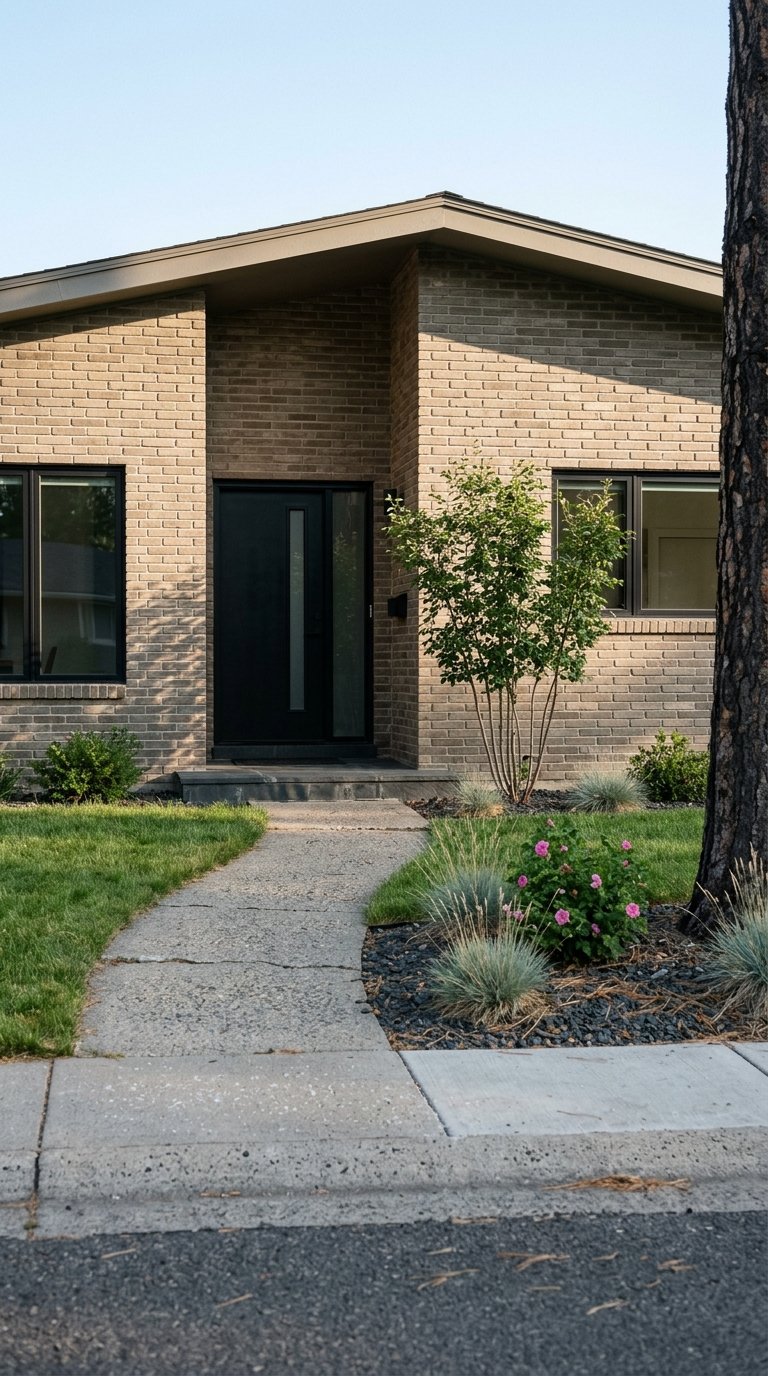
If your neighbor sold in a weekend two years ago, today’s Colorado Springs market may feel like a different world. You can still sell successfully, but buyers have more choices, more leverage, and less room in their monthly payment with mortgage rates averaging 6.37% in early May 2026. The good news is that a smart plan can still put you in a strong position, and this guide will show you how to price, prepare, and navigate the Colorado selling process with fewer surprises. Let’s dive in.
What today’s Colorado Springs market means
Colorado Springs is still active, but it is not moving at the breakneck pace many sellers remember. Recent local data shows median list prices around the mid-$460,000s, median sale prices around $450,000, and homes taking roughly 40 to 57 days to sell depending on the source and property type.
That matters because today’s market rewards strategy over wishful thinking. Nearly one in four listings has had a price reduction, and a smaller share of homes are selling above list than during the peak frenzy. Buyers are still shopping, but they are comparing options closely and pushing harder on price, condition, and contract terms.
Price for the market you have
If you want the best chance at a clean sale, your list price needs to reflect current conditions, not last year’s headlines. In Colorado Springs, longer market times and more price drops suggest that overpricing can backfire quickly.
A strong pricing strategy starts with recent sold comparables, active competition, and realistic days on market. With buyers more payment-sensitive at today’s mortgage rates, even a small pricing miss can reduce showings, slow momentum, and lead to bigger concessions later.
Why overpricing hurts sellers
When a home lingers, buyers often assume something is wrong or expect a better deal. That can lead to fewer strong offers, more negotiation pressure, and a later price cut that leaves you chasing the market.
In contrast, a well-priced home can create early interest and stronger leverage. Even in a more balanced market, correct pricing helps you attract serious buyers while your listing is fresh.
What pricing should consider
Your pricing conversation should include more than square footage and online estimates. A thoughtful list price should weigh:
- Recent closed sales of similar homes
- Current competing listings in your area
- Average days on market in Colorado Springs
- Your home’s condition and updates
- Buyer sensitivity to monthly payment costs
- Whether your property is likely to face appraisal pressure
Prep the updates buyers notice most
Buyers in 2026 are less willing to compromise on condition. That does not mean you need a luxury remodel before listing, but it does mean visible issues and dated finishes can cost you time and money.
For most sellers, the best return comes from practical, broadly appealing improvements. National and Mountain-region remodeling data both point to curb appeal, paint, doors, roofing, and modest midrange updates as stronger pre-list investments than a full custom renovation.
Focus on high-impact prep
Before you list, consider prioritizing:
- Painting the whole home or key rooms
- Repairing or replacing a worn roof if needed
- Refreshing the front entry
- Replacing an outdated garage door if it hurts curb appeal
- Handling visible maintenance items buyers will notice during showings
- Making minor kitchen updates instead of a full remodel
A new steel entry door and garage door replacement stand out as especially strong value plays in the Mountain region. A minor kitchen remodel can also make sense, while a midrange bath remodel tends to return less.
Fix the problems that trigger objections
Cosmetic updates help, but unresolved defects can create bigger issues once you are under contract. If buyers uncover roof concerns, structural questions, sewer line problems, or other major defects during inspections, you may face repair requests, credits, or termination.
That is why it often pays to address obvious system or condition problems upfront. A low-surprise sale usually starts with fewer surprises in the house itself.
Understand the Colorado contract process
Colorado uses detailed, Commission-approved real estate forms, and sellers should be ready for a structured, deadline-driven process. The standard contract commonly covers price, what stays with the home, earnest money, financing, appraisal, inspection, title, closing, escrow, and possession.
This is one reason local expertise matters. In Colorado, success is not just about getting an offer. It is about managing each deadline, responding in writing when needed, and keeping the deal together through closing.
A practical seller timeline
Most Colorado Springs sellers move through a process like this:
- Initial consultation and pricing review
- Disclosure review and prep planning
- Repairs, cleaning, staging, and photography
- Listing launch and showings
- Offer review and written negotiation
- Contract-to-close deadline management
- Closing and possession handoff
Each step affects the next. When pricing, prep, and paperwork are handled early, you reduce the chance of last-minute stress.
Terms you will likely see in Colorado
If you sell in Colorado Springs, expect buyers to focus on several common contract terms:
- Earnest money: A deposit that is often held by a title company
- Financing: How the buyer plans to pay and what loan conditions apply
- Appraisal: Whether the home value supports the buyer’s financing
- Inspection: The buyer’s opportunity to investigate the home’s condition
- Title review: Review of title matters before closing
- HOA document review: Review of association documents when applicable
- Possession: When you deliver the property to the buyer
Possession often happens at closing, but it can be negotiated. If you need time in the home after closing, Colorado has a Post-Closing Occupancy Agreement form for that situation.
Disclosures and inspections matter more now
In a market where buyers have options, transparency can protect your sale. Colorado’s current form set includes the Seller’s Property Disclosure, and sellers of pre-1978 homes also have lead-based paint disclosure requirements.
Being complete and accurate with disclosures helps reduce conflict later. It also gives buyers confidence that the transaction is being handled professionally.
What buyers may negotiate
Inspection and appraisal issues are among the most common pressure points. Colorado’s form set includes written objection notices for inspections, appraised value, and title-related issues, which shows how often these items need formal negotiation.
Buyers may ask for repairs, credits, or other concessions if concerns come up. Common sticking points include:
- Major repair items found during inspection
- Appraisal coming in below contract price
- Title matters that need review or correction
- HOA document concerns when an HOA applies
- Additional inspections such as sewer scope or structural review
The smoother your prep and documentation, the fewer surprises you are likely to face once you are under contract.
Marketing still matters in a slower market
When buyers have more listings to choose from, presentation becomes even more important. Your home needs to look polished online, show well in person, and enter the market with a clear pricing story.
That starts with professional photography, strong launch timing, and a listing strategy built around current buyer behavior. In a market with thousands of homes for sale and notable price-cut activity, your home needs to stand out for the right reasons, not because it needs a reduction.
First impressions drive leverage
Many buyers decide whether to schedule a showing based on photos and price alone. If your home looks move-in ready, well cared for, and appropriately priced, you improve your odds of attracting serious traffic early.
That early activity matters. Strong initial interest can help you avoid the cycle of stale days on market, negative buyer assumptions, and repeated price adjustments.
How to sell with fewer surprises
If you want a smoother Colorado Springs sale in 2026, focus on the basics that move the needle. You do not need gimmicks. You need a realistic price, smart prep, complete disclosures, and responsive negotiation.
In today’s market, the sellers who win are usually the ones who adapt fastest. They read the current data, invest in the right updates, and approach the Colorado contract process with care from day one.
If you are thinking about selling in Colorado Springs, the right guidance can help you make confident decisions at every step. For local strategy, accessible communication, and experienced seller representation, connect with Maria Gallucci.
FAQs
What is the average time to sell a home in Colorado Springs right now?
- Recent 2026 data sources show homes in Colorado Springs taking about 40 to 57 days on market, depending on the dataset and property type.
Should Colorado Springs sellers price above market value to leave room to negotiate?
- In today’s Colorado Springs market, overpricing can lead to fewer showings, more objections, and a higher chance of a later price reduction.
Which pre-listing updates matter most for Colorado Springs sellers?
- Practical improvements like paint, curb appeal, front entry upgrades, garage door replacement, roof repairs, and minor kitchen updates often make more sense than a full custom remodel.
What contract terms should Colorado Springs home sellers expect?
- Most Colorado home sales include terms covering earnest money, financing, appraisal, inspection, title review, closing, escrow, and possession.
Can a Colorado Springs seller stay in the home after closing?
- Yes, post-closing possession can be negotiated, and Colorado has a Post-Closing Occupancy Agreement form for that situation.
What disclosures are required when selling a home in Colorado?
- Sellers should expect to complete Colorado disclosure forms, and sellers of pre-1978 homes must also meet lead-based paint disclosure requirements.