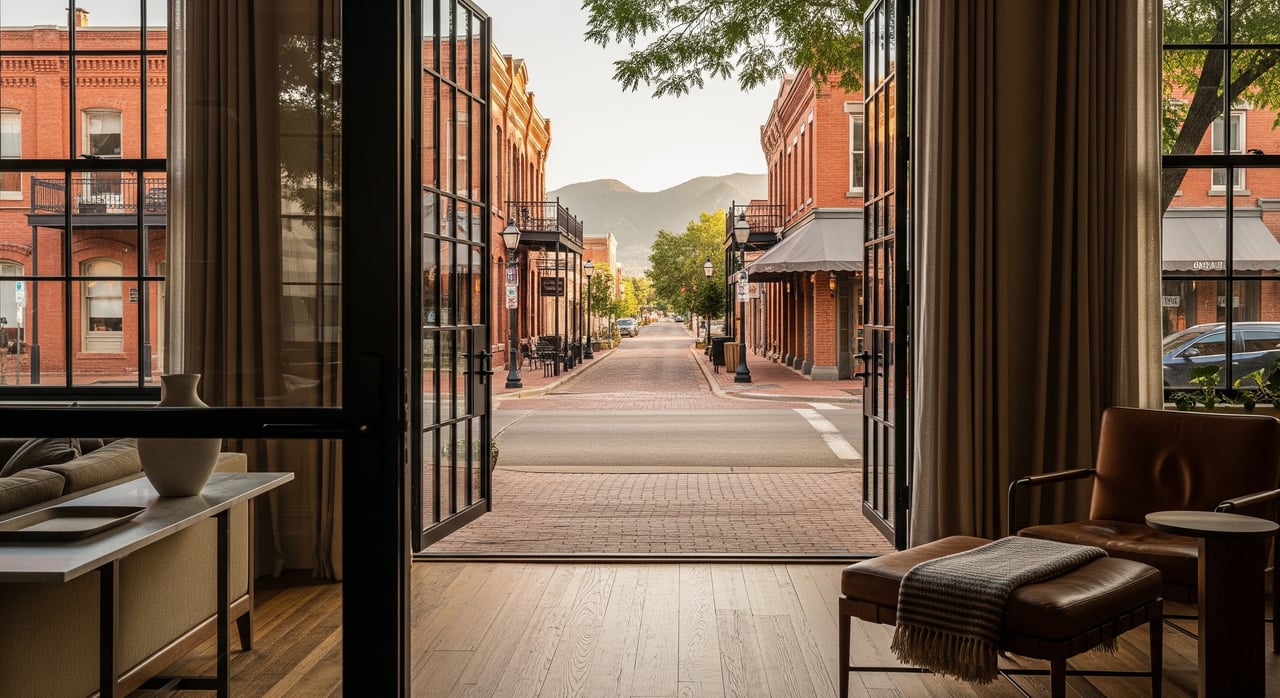
Wonder what a typical Tuesday feels like in Old Town Fort Collins? If you love walkable routines, local food and coffee, and easy access to trails, this downtown neighborhood might fit your everyday life. At the same time, you may want clarity on trade-offs like event noise, parking, and historic rules. In this guide, you’ll get a practical look at daily logistics, housing types, outdoor access, and what it is really like to live here. Let’s dive in.
Old Town vibe and rhythm
Old Town is the historic heart of Fort Collins, centered on Old Town Square and the College Avenue and Mountain Avenue corridors. You’ll see late 19th and early 20th century brick storefronts, renovated lofts above shops, and nearby streets with Victorian houses and Craftsman bungalows. Newer infill condos and townhomes add options for low-maintenance living.
You’ll share the neighborhood with a mix of full-time residents, Colorado State University students and staff, local business teams, and visitors. That mix creates a lively daytime and evening scene, with busier stretches tied to CSU calendars and community festivals. If you want a quieter pace, you can plan your evening routes and timing to avoid peak hours.
Historic preservation matters here. Some buildings fall within local historic districts or have protected status, so signs, exterior changes, and certain renovations can be subject to review. If you plan updates, check the City’s Historic Preservation guidelines early in your process.
Getting around and daily logistics
Old Town is one of Fort Collins’ most walkable areas. Many daily needs sit within a short stroll of Old Town Square, including coffee shops, restaurants, fitness studios, banks, and services. Downtown also ties directly into the city’s broader bike network, which includes the Poudre Trail for car-free routes across town and to CSU.
Transfort operates bus service through downtown, and the MAX Bus Rapid Transit connects the core to CSU and other parts of the city. If you work in Denver or the southern Front Range, public transit options are limited for daily long-distance commutes, so most people drive for those trips.
Parking near Old Town is managed with meters and time limits. You will find municipal garages and lots, which can be convenient during peak hours or event days. Residential parking varies by building and street. Many condos and apartments include assigned parking or access to a garage, and some blocks fall within permit zones. When you tour a property, confirm your assigned space, guest parking rules, and any city permits required.
Downtown offers smaller grocery and specialty food options, with larger supermarkets and big-box retailers just a short drive away. Major medical providers and full-service clinics are also close by. If you have preferred stores or healthcare networks, map them to specific addresses you are considering.
Families in and around Old Town fall within the Poudre School District. School assignments depend on address, so verify boundaries and transportation options for your household. Many families choose adjacent neighborhoods for larger yards while still using Old Town for dining, events, and daily errands.
Fort Collins generally ranks as relatively safe compared to many U.S. cities. Like most downtowns, you may see more property crime and transient activity here than in quieter suburban areas. For the most current view, review Fort Collins Police Services maps for block-level trends when you are narrowing down an address.
Food, drink, and culture
Old Town is the center of Fort Collins’ dining and brewery scene. You will find independent restaurants, coffee shops, brewpubs, and tasting rooms that range from casual to upscale. The city’s craft brewing reputation is national, with major names and many microbreweries operating tasting rooms in and around downtown.
Live music and nightlife are part of the fabric here. Stages pop up in bars, coffeehouses, and larger venues, and CSU schedules often shape crowds and show times. If you prefer quieter evenings, consider midweek outings, early seatings, or adjacent side streets that sit off the main late-night corridors.
Old Town Square and surrounding blocks host frequent community programming. You can expect seasonal farmers’ markets, public art, and annual festivals that bring energy to the streets. Schedules shift year to year, so keep an eye on city and visitor calendars for dates.
Outdoor access and recreation
The Poudre River edges downtown, and the Poudre Trail gives you a safe, scenic path for biking or walking across town. Small parks along the corridor offer easy spots for fresh air between errands. City Park and other nearby green spaces are great for picnics, playground time, and casual workouts.
Regional destinations are close. Horsetooth Reservoir and the foothill trailheads are typically a short drive, often under 20 to 30 minutes depending on traffic. You can be hiking, boating, climbing, or mountain biking quickly, then back downtown for dinner.
Fort Collins is consistently recognized for strong bicycle infrastructure and a high rate of bike commuting. Downtown racks and rentals make biking practical for errands. In winter, snow and ice can briefly affect sidewalks and bike routes, so plan footwear and timing accordingly.
Homes and housing trade-offs
Housing options in and near Old Town include historic single-family homes, cottages, and bungalows, lofts converted from upper floors of older buildings, and modern condos and townhomes in newer infill projects. You also see purpose-built rentals and student-oriented housing closer to CSU.
Because location and lifestyle are in demand, inventory can be tight and prices typically reflect downtown convenience. When you evaluate options, think about the trade-offs. Historic charm can come with older systems, maintenance needs, and preservation rules, while modern condos may offer elevators and garages but include HOA fees and policies.
Noise and event activity are part of urban living. Expect more street energy during festivals, CSU home games, and weekend nights. If you are noise-sensitive, touring properties at different times is smart. Adjacent neighborhoods can offer quieter evenings with a quick walk or bike ride into the core.
Accessibility varies by building. Many historic properties include stairs and limited elevator access. If you prefer single-level living or need mobility features, verify entry routes, elevators, and unit layouts.
Quick buyer checklist
- Visit at multiple times, including a weekend evening and an early weekday morning.
- Confirm parking: assigned spaces, guest policies, permit zones, and garage clearance.
- Ask about HOA fees, rules, and what they cover, including short-term rental policies.
- Check historic district status if you plan exterior changes or signage.
- Review nearby event calendars for regular street closures and festivals.
- Map your top grocery, healthcare, and commute routes to the address.
- Verify internet providers and utility options at the unit level.
A sample day in Old Town
Start your morning with a short walk to a favorite coffee shop, then hop on the Poudre Trail for a quick ride or jog. If you work nearby, you might walk to the office. If you commute across town or to CSU, the bike network and MAX service make it simple. For Denver-bound days, plan a car commute and consider garage parking on your return.
Lunch might be a new-to-you spot, followed by a few errands within a couple of blocks. Afternoons are easy for last-minute pick-ups, a fitness class, or a walk along the river. If you live in a condo, having your parking space secured means you can leave the car at home for most trips.
Evening choices vary with your mood. You can catch a live set, try a brewery release, or keep it low-key with a weeknight dinner on a patio. During festival weekends, plan a side-street route or go early for a calmer atmosphere. When events end, streets stay lively for a bit, so adjust your windows or pick a unit that faces a quieter direction if that matters to you.
Is Old Town a fit for you?
Choose Old Town if you want a walkable lifestyle, work-from-home flexibility with a change of scenery nearby, and fast access to trails. It suits you if you like the energy of a college town core and the convenience of car-light living. You may be happier in an adjacent neighborhood if you prefer very quiet evenings or need larger yards while still spending time downtown.
If Old Town’s rhythm matches how you live, you have strong options across historic homes, lofts, and modern condos. The right guide helps you balance charm, convenience, and long-term value.
Ready to explore homes that fit your routines and budget, with clear communication every step of the way? Reach out to Maria Gallucci to schedule an ASL-friendly consultation and get a tailored plan for Old Town or nearby neighborhoods.
FAQs
How walkable is Old Town for daily errands?
- Most day-to-day needs like coffee, dining, fitness, and services sit within a short walk of Old Town Square, with bike routes and the Poudre Trail extending your reach.
What is parking like for residents and guests?
- Expect metered or time-limited street parking, municipal garages, and building-specific allocations; confirm your assigned space, guest policies, and any permit zones.
How often do events affect noise and streets in Old Town?
- Festivals, CSU-related dates, and weekend nightlife bring more activity at intervals throughout the year; plan tours at those times to gauge your comfort level.
How close are Horsetooth Reservoir and nearby trailheads?
- Horsetooth Reservoir and foothill trailheads are typically a short drive, often under 20 to 30 minutes depending on traffic and your starting point downtown.
What types of homes are available in Old Town?
- You will see historic cottages and bungalows, lofts in older commercial buildings, and modern condos and townhomes, each with different maintenance and amenity profiles.
Are grocery and medical services nearby?
- Downtown has smaller grocery and specialty options, with larger supermarkets and major medical providers just a short drive from the core.
How does CSU shape day-to-day life in Old Town?
- The university adds energy, events, and seasonal population shifts, which can increase crowds and nightlife at certain times of the year.
Are there rules for short-term rentals or historic changes?
- Yes, review city short-term rental regulations and historic preservation guidelines if you plan to host or modify a property.
When should I visit to get a real feel for daily life?
- Visit on a weekday and a weekend evening, and check the city’s event calendar to experience both everyday routines and peak activity times.