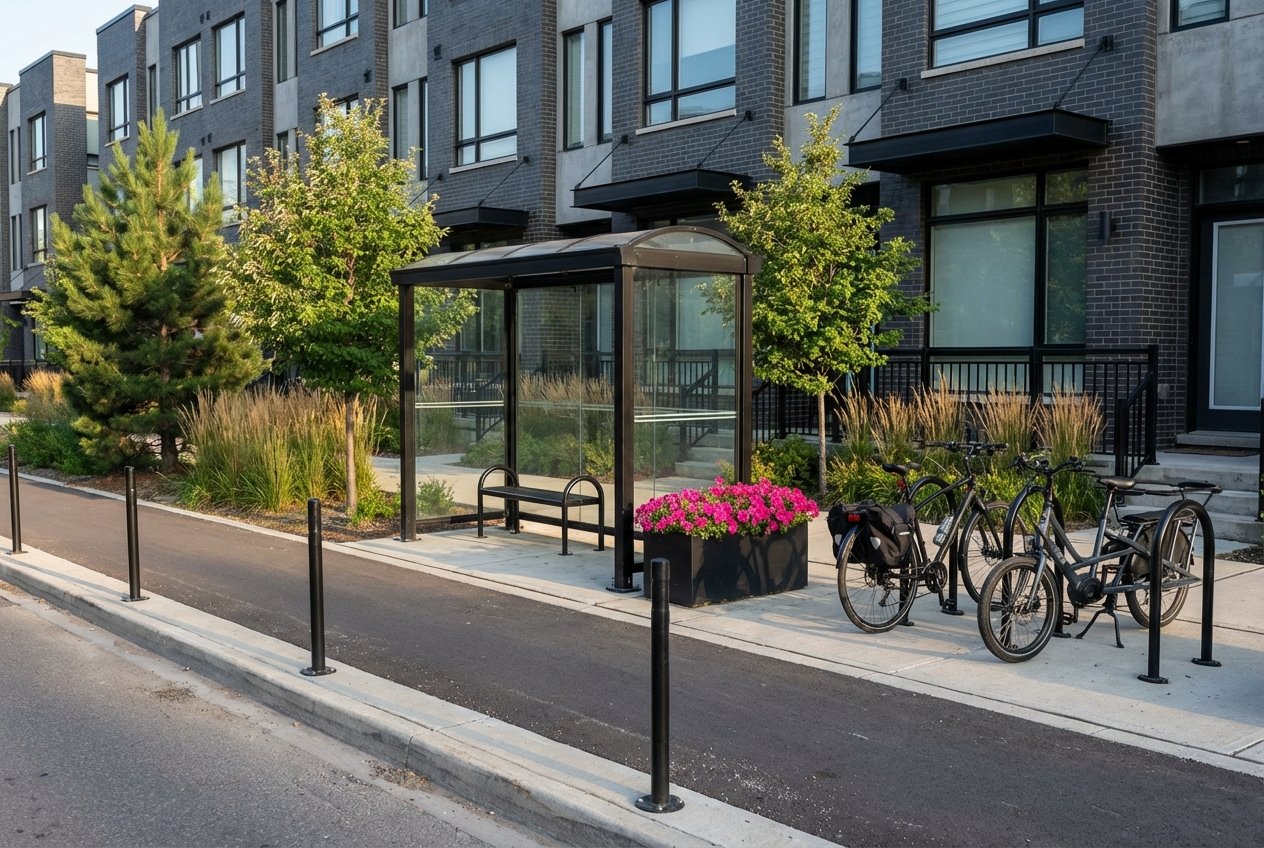
What if most of your daily life in Boulder could happen without getting behind the wheel? If you love the idea of walking to coffee, biking to the gym, hopping on a quick bus to dinner, and saving your car for mountain days, you are in the right city. Boulder gives you real tools to go car-light, but success comes from matching your lifestyle and home location to the network that already exists. In this guide, you will learn how the system works, which neighborhoods fit best, what tradeoffs to expect, and a simple plan to test-drive a car-light routine. Let’s dive in.
What car-light means in Boulder
Car-light means you cover most daily trips by walking, biking, shared micromobility, or transit, and you use a private car only occasionally. In Boulder, that is realistic for many people because the city’s bike paths, the HOP circulator, regional RTD routes, and shared e-bikes and scooters link major destinations.
You can expect to run errands by bike, cross town on the HOP, get to Denver on RTD’s Flatiron Flyer, and rely on carshare for big hauls or mountain trips. Some neighborhoods and housing types make this much easier than others. Costs and distances still matter, so your address choice is key.
The network that makes it possible
Bike map and protected routes
Boulder’s bike system is the backbone of car-light life. The city publishes an interactive bike map that shows on-street lanes, multi-use paths, and signature loop routes that make short trips simple and predictable. You can explore those routes on the City’s official bike page at the start of your search. Check the interactive bike map and resources to plan safe paths to your top destinations.
Safety-focused upgrades continue to roll out on major corridors. Recent work includes protected intersections and multi-phase improvements tied to the city’s Core Arterial Network. Highlights include the 28th and Colorado protected intersection and ongoing 30th Street corridor projects. The city’s annual transportation update covers these projects and performance highlights in one place. See the What a Year in Transportation summary for context.
HOP circulator and local buses
The HOP is Boulder’s frequent city circulator that connects downtown, University Hill, CU, and 29th Street. Daytime frequencies are typically every 12 to 15 minutes during peak patterns with reduced service during evenings and some school breaks. It is one of the easiest ways to replace short car trips. Review schedules and passes on the HOP bus service page and check the latest route map before you choose a home.
Regional rides on the Flatiron Flyer
When you need to reach Denver or connect to trains and the airport, RTD’s Flatiron Flyer offers BRT-style service on US‑36 with multiple route variants and stations. This line makes car-free regional commutes practical for many riders. Learn more on RTD’s Flatiron Flyer overview and plan your longer trips in advance.
E-bikes, scooters, and where to ride
Shared micromobility fills the first and last mile. Boulder permits BCycle e-bikes and Lime e-scooters with clear rules for where different devices can be ridden and parked. If you plan to rely on these options, review the city’s e-micromobility rules so you know path, street, and dismount-zone expectations.
EcoPass, carshare, and bundled perks
Transit gets easier when fares are handled for you. Many employers and neighborhoods participate in RTD’s EcoPass program, which gives unlimited transit access to enrolled residents and workers. Check your eligibility and how to enroll on the EcoPass program page.
If you want frequent transit plus flexible access to a vehicle, look at Boulder Junction. This transit-oriented district was designed for high non-auto mode share and includes bundled benefits like EcoPass, BCycle, and Colorado CarShare for many residents. See the Boulder Junction Transportation Demand Management District to understand how those perks work.
Walkable cores you will use often
Pearl Street Mall is the city’s pedestrian heart and has been car-free since 1977. Downtown, University Hill, and nearby central neighborhoods cluster shops, restaurants, and services so many daily needs are a short walk or quick ride away. Even if you live outside the core, you will likely spend time here.
Where to live car-light in Boulder
Choosing a car-light home starts with proximity to everyday destinations and transit. Here is a practical snapshot of where it tends to work best and where it requires more planning.
Downtown and Pearl Street corridor
If you want maximum convenience, downtown delivers the most natural car-light experience. Apartments and condos near Pearl Street put you within a short walk of food, retail, and services, with fast access to bike routes and the HOP. Parking can be limited or unbundled in some buildings, which nudges you toward non-driving options.
University Hill
The Hill is dense, walkable, and well served by transit, especially for trips around CU and downtown. Walk Score rates University Hill very high for walkability with strong bike and transit access. You can see the ratings on University Hill’s Walk Score page. Expect lively street life and quick access to everyday spots.
Goss-Grove, Whittier, and Mapleton Hill
These central neighborhoods offer a blend of residential character and quick access to downtown. You can bike or walk to shops, schools, and the Pearl Street area without long detours. For many households, these locations strike a balance between calm streets and short, car-light errands.
Boulder Junction (Transit-Oriented Development)
If you want structured support for a car-light lifestyle, Boulder Junction is worth a close look. With Depot Square Station, frequent bus connections, micromobility options, and managed parking, the district is designed to make non-driving choices easy.
Table Mesa and 29th Street corridors
You will find retail and grocery options here, and bus access is decent, but the urban form spreads out more than downtown. Car-light living is still very possible if you choose a home near a transit corridor or multi-use path. For large grocery hauls or big-box errands, a carshare booking may still be your simplest move.
North Boulder, Gunbarrel, and South Boulder
These areas feel more suburban, with longer distances between destinations and fewer high-frequency routes. If you are comfortable with longer bike rides, occasional infrequent buses, or a mix of carshare and transit, you can make it work. Ongoing safety and corridor projects elsewhere in the city continue to fill gaps, but distances remain the main tradeoff here.
Housing types that work well
- Compact condos and apartments near downtown or CU. These homes put you close to the HOP, bike paths, and daily services. Some buildings separate parking from rent, which can lower costs if you own no car or only use it occasionally.
- New mixed-use and transit-oriented options. Developments in areas like Boulder Junction often pair lower parking ratios with benefits such as EcoPass and on-site shared mobility. That package makes it easier to live car-light without worrying about the occasional car trip.
- Townhomes and small multifamily near corridors. When placed close to shops or transit, these homes can reduce daily car needs while giving you more space than a studio or one-bedroom.
The fine print: costs, safety, seasons, and errands
Housing cost reality
Boulder is a premium market. Zillow reports typical home values around the high 900s to 1 million dollars, and rents sit well above national averages. Central, walkable housing commands a premium, which is the biggest constraint for many car-light shoppers. Review the latest values on Zillow’s Boulder overview and decide if you want to trade a shorter commute for a smaller home or target a nearby area at a lower price.
Safety and design changes
Boulder has a Vision Zero commitment and a Speed Limit Setting Framework that targets the streets with the most serious crashes for design and policy changes. You can expect ongoing construction on core corridors as projects like 30th Street and Baseline progress. Read about the city’s approach in the Speed Limit Setting Framework so you know why certain routes are changing and how that supports safer biking and walking.
Winter riding and backups
Boulder clears many multi-use paths during winter, and the city reports on seasonal service each year. Even with plowing, your comfort in cold or wet weather will vary. Many car-light residents keep lights, fenders, and warm layers ready, and use the HOP or BCycle on extra snowy days. The city’s transportation update covers winter operations along with broader mobility stats.
Groceries, furniture, and mountain days
Big errands still happen. Many residents combine e-cargo bikes or small trailers for weekly groceries with occasional carshare bookings for bulk trips, furniture moves, and mountain adventures. If your building or district includes carshare memberships, you will save time and money on those occasional needs. Keep a rideshare app as a late-night or off-peak backup when buses run less often.
Night and off-peak service
The HOP and core routes are frequent during the day, but service can thin out at night and during university breaks. Always check schedules for the times and days you travel most. Planning for a backup option makes late returns smoother.
Build your car-light plan
Use this quick checklist to test a car-light routine before you commit to a lease or purchase.
- Map your routine. List your top 10 weekly trips and plot them on the city’s bike map. Aim to keep most under 3 miles or along the HOP or Flatiron Flyer.
- Secure an EcoPass. If your employer or neighborhood offers one, an EcoPass removes fare friction and makes experimentation easy.
- Try shared options for 2 to 4 weeks. Use BCycle or scooters for short hops, the HOP for cross-town trips, and the Flatiron Flyer for a regional test run.
- Test winter conditions. Ride your likely commute on a cold or wet day to gauge comfort. Adjust gear and route based on that experience.
- Line up a carshare. If your building or district includes mobility benefits, activate them. Keep a carshare or rideshare account ready for big errands and airport runs.
- Create a neighborhood scorecard. For any address you tour, note nearby groceries, the nearest HOP or RTD stop, micromobility stations, bike path access, parking situation, and typical housing type.
Start your Boulder home search smart
If you want a car-light lifestyle, your address and building amenities matter as much as your bike. Focus on homes within short rides of the HOP, the Boulder Creek path or other multi-use routes, and daily services you will use weekly. Look for developments with unbundled parking, EcoPass access, or on-site micromobility and carshare.
You do not have to figure this out alone. If you want a local guide who understands Boulder micro-markets and can communicate in ASL, connect with Maria Gallucci to align your lifestyle, budget, and neighborhood short list. Together, you can design a home search that supports a low-car routine from day one.
FAQs
What does car-light living in Boulder actually mean?
- It means most daily trips happen by walking, biking, micromobility, or transit, and you use a private car only for occasional needs like bulk shopping or mountain trips.
Which Boulder neighborhoods best support car-light life?
- Downtown near the Pearl Street corridor, University Hill, Boulder Junction, and central areas like Goss-Grove, Whittier, and Mapleton Hill offer the strongest mix of walkability, bike access, and transit.
How often does the HOP run for local trips?
- The HOP typically comes every 12 to 15 minutes during daytime peak periods, with reduced evening and break schedules. Always check the current timetable before you rely on it.
Can I reach Denver or the airport without a car?
- Yes. The Flatiron Flyer connects Boulder to Denver and other regional destinations, and you can transfer to rail and airport services from there. Plan your trip in advance for smooth transfers.
What are the e-bike and scooter rules inside Boulder?
- The city has clear rules for where different devices can be ridden and parked, including path and dismount-zone details. Review them before your first ride.
How does winter affect a car-light routine in Boulder?
- Many multi-use paths are cleared during snow, but you will still want lights, layers, and a backup plan like the HOP or a shared e-bike for messy days.