If you are wondering what day-to-day life in Colorado Springs really feels like, the answer is simple: it is practical, active, and full of easy ways to enjoy your surroundings. You want more than a list of attractions when you are thinking about a move. You want to know how mornings flow, where errands happen, how long commutes feel, and what rewards show up in ordinary moments. This guide walks you through the routines and rhythms that shape everyday life in Colorado Springs. Let’s dive in.
Colorado Springs daily rhythm
Life in Colorado Springs tends to balance convenience with access to the outdoors. The city is still largely car-centered, but local travel times are often manageable by metro-area standards. From 2020 to 2024, the mean travel time to work was 22.7 minutes.
That matters in real life because your weekday often feels more flexible when you are not planning around a long commute. In 2023, 71.1% of workers drove alone, while 16.1% worked from home. For many residents, that creates a routine built around driving for errands and appointments, with some added flexibility for remote work.
Getting around town
A few major roads shape how people move through the city each day. I-25, Powers Boulevard, and Academy Boulevard are key transportation corridors, and they connect many of the places residents use most often.
If you travel often, Colorado Springs Airport is another practical part of daily life. It sits about six miles southeast of downtown, and the city estimates the drive between the airport and downtown at around 20 minutes. That kind of access can make work trips and family travel feel simpler.
Public transit options
Driving is common, but it is not the only way to get around. Mountain Metro Transit is the local bus provider, and the city says it offers more than 11,000 one-way trips per day.
Service reaches into Manitou Springs, north to Chapel Hills Mall, and south into Widefield, according to CDOT. If you want options for commuting, errands, or occasional car-free days, transit is part of the everyday transportation picture.
Errands and daily convenience
One of the biggest quality-of-life questions in any city is this: how easy is it to get everyday things done? In Colorado Springs, errands and social routines often cluster in a few well-known districts, which can make day-to-day living feel efficient.
Rather than spreading every activity evenly across the map, the city has several established hubs where shopping, dining, and services come together. That gives you a better sense of where daily patterns naturally form.
Downtown for errands and outings
Downtown Colorado Springs plays a central role in everyday life, especially along the Tejon Corridor. Visit Colorado Springs describes this area as the city’s shopping district and restaurant row, while Downtown Partnership counts more than 180 independent shops, restaurants, and services.
For residents, that means downtown can be more than a special-occasion destination. It can also be part of your regular routine for coffee, dining, personal services, and local shopping.
Old Colorado City and local character
Old Colorado City adds another strong option for everyday outings. It is known as a shopping, dining, and entertainment area and has the largest concentration of independent retail establishments in Colorado Springs.
If you enjoy a more local, main-street-style environment for browsing shops or meeting friends, this area often fits naturally into weekly life. It gives residents another established district with a distinct rhythm and strong local business presence.
Briargate and the Powers corridor
For many residents, convenience also means easy access to larger retail centers. Briargate offers quick connections along with the Promenade Shops at Briargate, while the Powers corridor is built around shopping and retail activity.
First & Main Town Center is one of the bigger examples, with more than 80 shops, restaurants, and entertainment spots according to Visit Colorado Springs. If your ideal routine includes knocking out errands, grabbing dinner, and catching entertainment in one area, these parts of the city support that well.
Outdoor life is part of the routine
In Colorado Springs, the outdoors are not just a weekend bonus. They are woven into daily life. That is one of the city’s clearest lifestyle advantages.
Colorado Springs Parks, Recreation and Cultural Services cares for about 12,000 acres of open space. The broader park system includes more than 9,000 acres of parkland and 500 acres of trails, giving residents many ways to build movement, scenery, and fresh air into ordinary days.
Easy access to trails and open space
The city’s open-space network includes places like Austin Bluffs, Red Rock Canyon, and Sinton Pond. TOPS funding has added more than 53 miles of trail since 1997, which helps explain why trail access feels so embedded in local living.
For you, this can look like an early walk before work, a quick afternoon reset, or a regular weekend hike without needing to leave town. The ability to fit outdoor time into a normal schedule is a major part of the city’s appeal.
Signature places close to home
Garden of the Gods is one of the best-known examples of how dramatic scenery becomes part of everyday life here. It is a city-owned 1,341.3-acre regional park and National Natural Landmark with a free visitor center.
Red Rock Canyon Open Space is another easy local option for recreation. And when you want a bigger outing, Pikes Peak Highway offers a 19-mile paved toll road to the summit, creating a memorable weekend plan without requiring a full travel day.
Culture and recreation beyond the trails
Colorado Springs is often praised for its scenery, but daily life is not only about the outdoors. The city also offers a steady mix of culture, recreation, and entertainment that can fill your calendar in practical, accessible ways.
In the northern communities, residents can find concerts, golfing, indoor skydiving, waterpark access, and bowling. Those options can be especially useful when you want variety close to home.
Museums and arts in daily life
The city also has a strong museum and arts presence. The U.S. Olympic & Paralympic Museum, the Fine Arts Center at Colorado College, and the Colorado Springs Pioneers Museum all contribute to the local cultural landscape.
That gives you easy access to arts, sports history, and local history without needing to plan a big day trip. For many households, these kinds of destinations become part of a balanced routine that mixes outdoor time with indoor experiences.
What the housing stock feels like
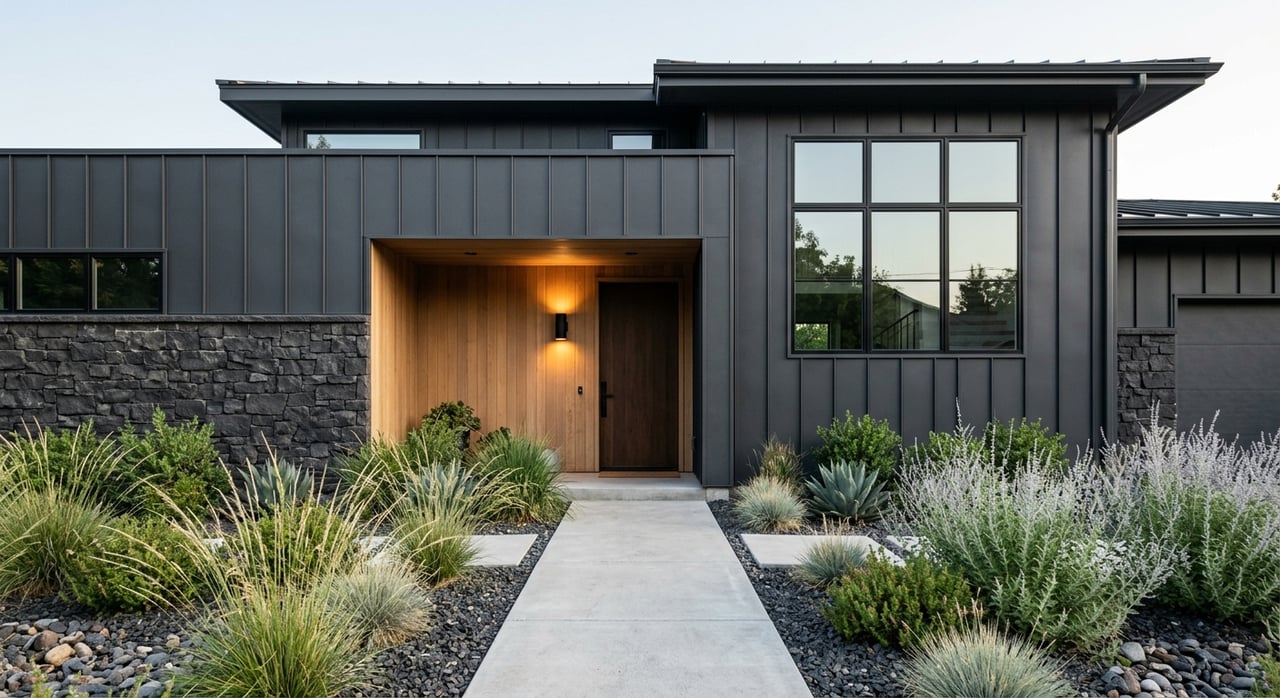
Your daily life is shaped not only by the city, but also by the kinds of homes and neighborhoods available. In Colorado Springs, the housing stock is still dominated by detached houses, which helps define the overall residential feel.
According to the regional housing needs assessment, 61% of units were single-family detached. Another 8% were single-family attached, while multifamily options made up the rest across several categories.
Established neighborhoods are common
The citywide median year of construction was 1986. That helps explain why many neighborhoods feel established rather than brand new.
For buyers, that can mean a wider mix of lot sizes, architectural styles, and community layouts. For sellers, it reinforces the importance of understanding how an individual home fits into a more mature housing landscape.
Price points and market pace
Price benchmarks in Colorado Springs have clustered in the mid-$400,000s. The city’s assessment estimated a typical home at about $457,000 as of March 2025, while Zillow’s March 2026 snapshot put the average home value at $451,202 and the median sale price at $438,333.
The same city assessment estimated typical rent at about $1,780. Larger homes trend higher, with the city’s 2024 bedroom-count analysis showing median sale prices of $536,100 for four-bedroom homes and $650,000 for homes with five or more bedrooms.
There is also a supply story behind the pace of the market. The city and county assessment estimated a shortage of 27,712 units as of 2023 and a need for 60,034 additional homes by 2035. In practical terms, that helps explain why desirable listings can move quickly.
What everyday life means for buyers
If you are buying in Colorado Springs, lifestyle fit matters as much as the home itself. A commute that feels manageable, nearby errand hubs, and regular access to open space can shape how happy you feel in a property long after move-in day.
It is worth thinking beyond square footage and finishes. You may also want to weigh how close you are to the roads you use most, the retail districts you actually visit, and the outdoor spaces that support your routine.
What everyday life means for sellers
If you are selling, understanding the local lifestyle story can help you position your home more effectively. Buyers are often looking for a picture of how life will feel, not just what the house contains.
In Colorado Springs, that picture may include short local drives, access to downtown or district-style shopping, time outdoors, and an established residential setting. When your home is marketed with those practical benefits in mind, it can connect more clearly with what buyers are already seeking.
Whether you are buying, selling, or planning your next move in Colorado Springs, local context makes a difference. Working with an experienced, accessible advisor can help you make sense of both the market numbers and the lifestyle behind them. If you want thoughtful guidance tailored to your goals, connect with Maria Gallucci for expert support and an ASL-friendly consultation.
FAQs
What is the average commute time in Colorado Springs?
- Colorado Springs had a mean travel time to work of 22.7 minutes from 2020 to 2024.
Is Colorado Springs a car-dependent city?
- Colorado Springs is still largely car-centered, with 71.1% of workers driving alone in 2023, though Mountain Metro Transit also provides local bus service.
What parts of Colorado Springs are convenient for errands?
- Downtown, Old Colorado City, Briargate, and the Powers corridor are key areas for shopping, dining, services, and entertainment.
How much outdoor space does Colorado Springs offer?
- The city cares for about 12,000 acres of open space, and the park system includes more than 9,000 acres of parkland and 500 acres of trails.
What is the typical home price in Colorado Springs?
- Recent benchmarks place typical or average home values in the mid-$400,000s, including a city estimate of about $457,000 as of March 2025 and a Zillow average home value of $451,202 in March 2026.
Why do homes in Colorado Springs sell quickly?
- A city and county assessment estimated a housing shortage of 27,712 units as of 2023, which helps explain why desirable listings can move quickly.