Wondering whether a Denver condo, townhome, or rowhome is the better fit for your budget and daily life? You are not alone. These labels often sound interchangeable, but in Denver, the real differences come down to what you own, what you maintain, and what your monthly costs actually cover. If you are comparing attached homes in the city, this guide will help you sort through the fine print and focus on what matters most. Let’s dive in.
Why the label is only the start
In Denver, the name of the property does not always tell you the full story. A condo is usually the clearest legal category, while townhome and rowhouse often describe the building style more than the ownership structure.
That distinction matters because two homes that look similar from the street can come with very different responsibilities. Before you fall in love with a layout or location, it helps to ask a legal question first: what exactly are you buying?
Condos in Denver: what you typically own
Under Colorado law, a condominium unit is generally an individual air-space unit plus an ownership interest in the common elements. In simple terms, you usually own the inside of your unit and share ownership in things like the building, land, hallways, and other common areas.
That setup often means the homeowners association handles more of the exterior and shared-space upkeep. Monthly dues may also cover part of the building operations, and in some communities they can include select utilities along with maintenance and reserve funding.
For many Denver buyers, condos offer a lower entry price into the market. Homes.com reported Denver condos at about $310,000 in April 2026, making them the lowest-priced attached option in the city at that time.
Townhomes and rowhomes: more variation to review
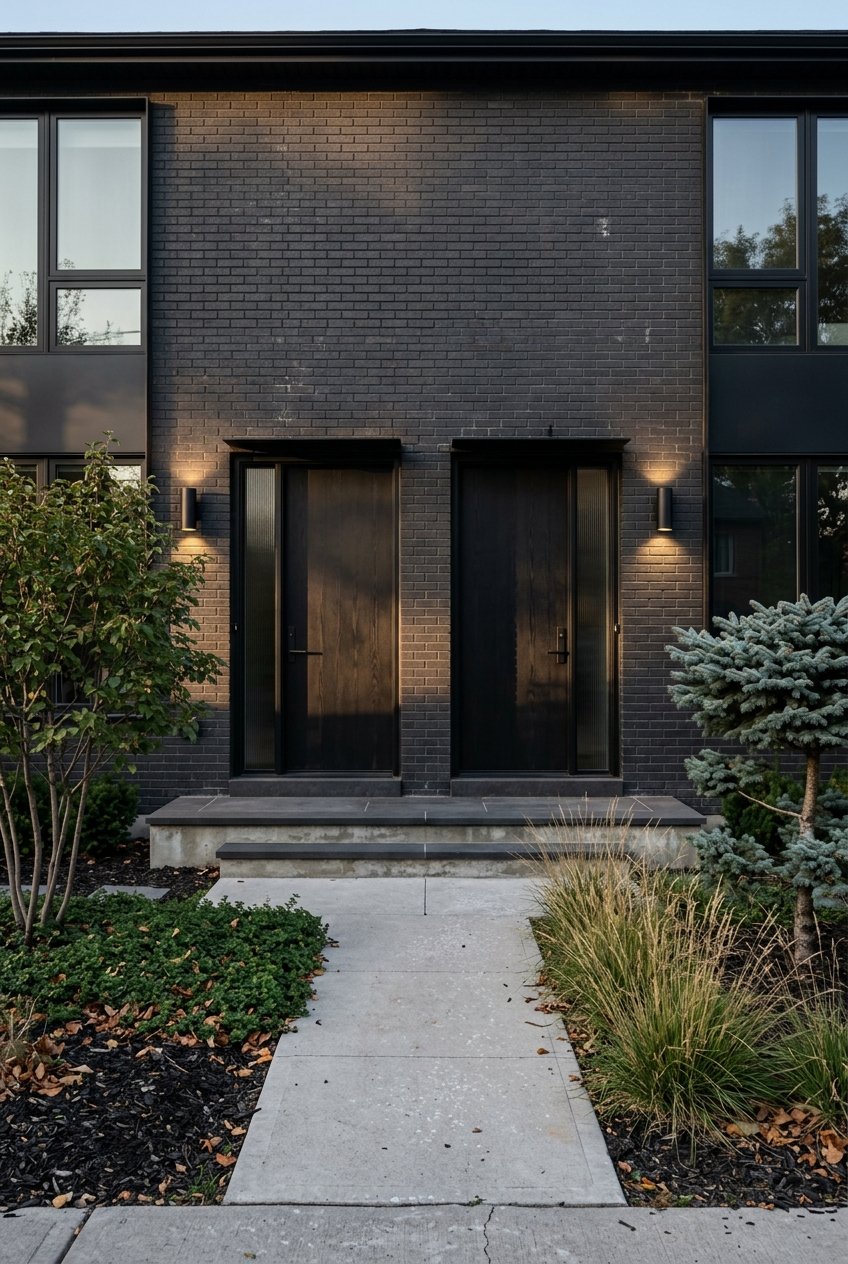
Townhomes and rowhouses are typically attached homes that share one or more walls. In Denver planning and zoning language, rowhouse and townhouse are building forms, which means the words describe how the home is built, not always how it is legally owned.
That is why your review of the declaration, bylaws, and CC&Rs matters so much. Some townhomes are fee simple, while others are part of a common-interest community with shared rules, costs, and maintenance obligations.
From a lifestyle standpoint, townhomes and rowhomes often feel more like a traditional house. You may find features such as a private entry, multiple levels, a garage, or a small outdoor area, which can help explain why they often command a premium over condos.
Homes.com reported Denver townhomes at about $420,000 in April 2026. That places them between condos and detached homes in the city’s typical price range.
Denver ownership questions that matter most
When you compare attached homes, start with ownership and responsibility before style. A beautiful home can still be the wrong fit if the upkeep, rules, or dues do not line up with your goals.
Here are the four practical areas most Denver buyers should focus on:
- Monthly dues: What are you paying each month, and what do those dues actually include?
- Maintenance scope: Who handles the roof, siding, landscaping, snow removal, and exterior repairs?
- Privacy and outdoor space: Do you want a private entrance, garage, yard, or more separation from neighbors?
- Community rules: Are the rental, pet, parking, and renovation rules compatible with how you plan to use the home?
HOA responsibility can look very different
In Colorado common-interest communities, the association is generally responsible for maintenance, repair, and replacement of common elements, while owners are responsible for their own unit unless the governing documents say otherwise. That makes the documents just as important as the floor plan.
With condos, the HOA often takes on more of the exterior and shared-area burden. With townhomes, the setup can vary more. In some communities, owners handle items like yards, snow, or leaf removal, while in others the HOA takes care of part of that work.
This is also where insurance becomes important. Colorado HOA guidance says associations must maintain property insurance on common elements, and buyers of attached homes should look closely at that coverage because damage from hail, fire, or similar events can become an association claim issue.
HOA dues: what your payment may include
A low monthly fee is not always a better deal, and a high fee is not always a red flag. HOA dues vary because communities maintain different things and offer different levels of service.
Some communities use dues mainly for exterior upkeep, roof replacement, and reserves. Others include more services or amenities, which can push the monthly cost higher.
As you compare homes, ask for a clear breakdown of what the dues cover. Key items to confirm include:
- Roof and exterior maintenance
- Siding and common-area repairs
- Landscaping and snow removal
- Trash service
- Insurance on common elements
- Reserve contributions
- Amenities, if any
Why reserves and special assessments matter
One of the biggest mistakes buyers make is focusing only on the list price and monthly dues. The healthier question is whether the HOA is financially prepared for major repairs.
Colorado HOA rules require certain records to be made available to owners, and reserve strength matters. If reserves are weak, the chance of a special assessment can rise when a community faces a large repair bill.
Before you make an offer, review the HOA’s:
- Budget
- Reserve information
- Insurance policies
- Bylaws
- Meeting minutes
- Special assessment history
Those documents can tell you a lot about how the community is managed and whether future costs may be building in the background.
Denver market patterns for attached homes
If you are shopping in Denver right now, market conditions can also shape your strategy. The attached segment has been moving more slowly than detached homes, according to recent market reporting.
DMAR reported that the attached market continued to lag, and in May 2026 the attached segment fell 17.84 percent year over year. Homes.com also reported that condo inventory was up 23.8 percent year over year in April 2026, while townhome inventory was down 6.0 percent. Condo sales were down 1.6 percent, and townhome sales were down 3.3 percent.
For buyers, that slower attached market can mean more room to compare options carefully. It also makes it even more important to understand the property’s ownership structure, HOA health, and long-term carrying costs before you choose between a condo, rowhome, or townhome.
How to decide which home type fits you
The right choice depends on how you want to live, not just what looks best online. If you want simpler upkeep and a lower entry price, a condo may be the strongest fit.
If you want a more house-like setup with features such as a private entry, multiple stories, or a garage, a townhome or rowhome may feel more natural. The tradeoff may be a higher purchase price, more exterior responsibility, or both.
A practical way to compare options is to ask yourself:
- Do you want the HOA to handle most exterior maintenance?
- Are you comfortable with shared walls and common areas?
- How important are outdoor space and privacy?
- Do you need parking, a garage, or storage?
- Are the dues reasonable for what you receive?
- Do the community rules match your plans?
Why Denver buyers should read the documents early
Attached homes can be a smart way to buy in Denver, but the details matter. The same property category can feel very different from one community to the next.
That is why early document review is so valuable. It helps you move past the marketing label and understand the real monthly cost, maintenance obligations, and restrictions before you get too far into the process.
If you want clear guidance while comparing condos, townhomes, or rowhomes in Denver, Maria Gallucci can help you evaluate the ownership structure, HOA details, and market context so you can choose with confidence.
FAQs
What is the main difference between a Denver condo and a Denver townhome?
- In Denver, a condo is usually a legal form of ownership where you own your unit and share ownership in common elements, while a townhome often describes the building style and may have different ownership and maintenance structures depending on the governing documents.
What does an HOA usually cover for a Denver condo?
- In many Denver condo communities, the HOA handles common elements and often takes on more exterior and shared-space maintenance, but you should confirm the exact scope by reviewing the budget, insurance, bylaws, and other HOA records.
Are Denver rowhomes and townhomes the same thing?
- Not always. In Denver, rowhouse and townhouse are commonly used as building-form terms, so you still need to verify the legal ownership structure and maintenance responsibilities for the specific property.
Are Denver condos usually less expensive than Denver townhomes?
- Recent 2026 market data showed Denver condos at about $310,000 and townhomes at about $420,000, so condos were generally the lower-priced attached option at that time.
What HOA documents should you review before buying an attached home in Denver?
- You should review the HOA budget, reserve information, insurance policies, bylaws, meeting minutes, and any history of special assessments to better understand the community’s finances and responsibilities.